

Urban Gardening & Microgreens: A Fresh Revolution in City Living
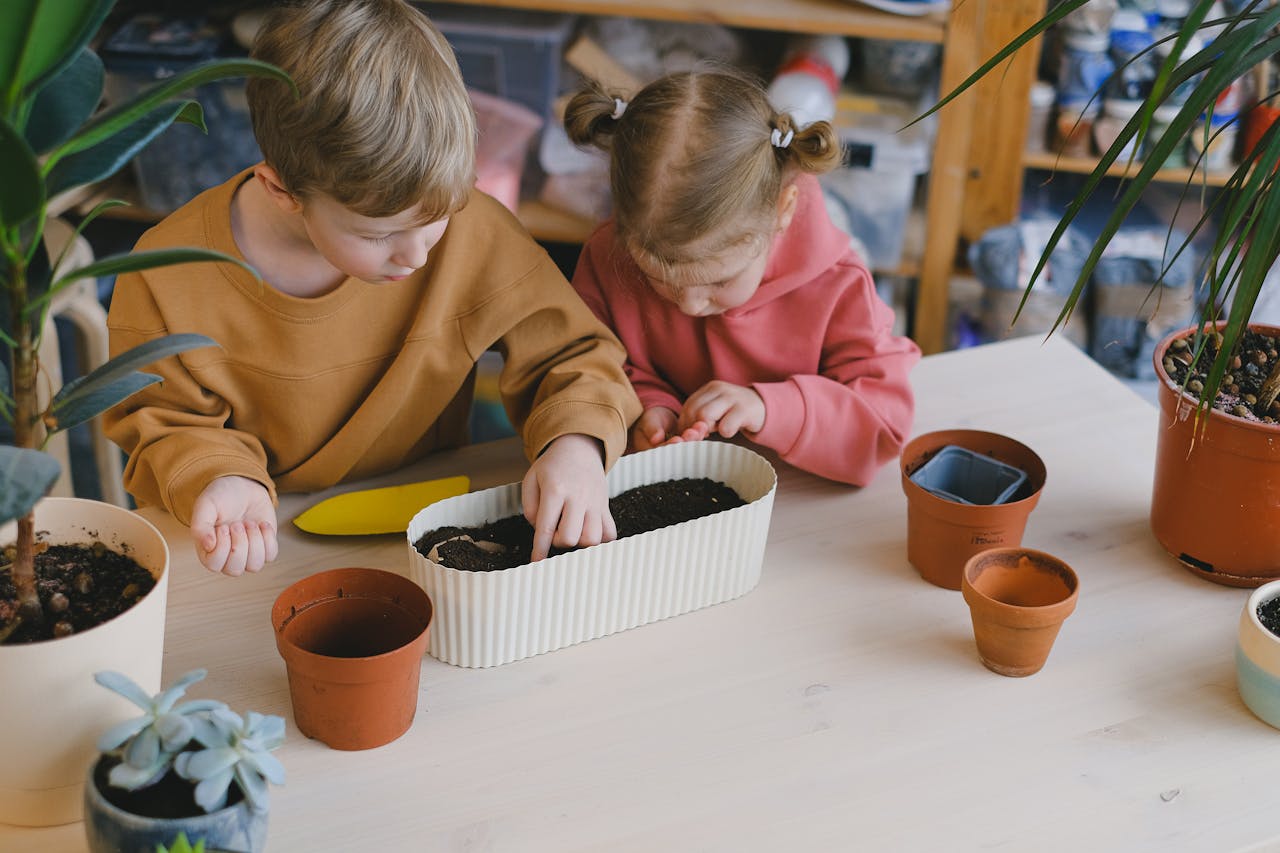
Imagine harvesting your own salad leaves, basil, or radish microgreens right from your balcony — all without needing a backyard or even soil in some cases. This isn’t just a hobby anymore; urban gardening is rapidly becoming a way of life for city dwellers. Whether you’re in a cramped apartment or a high-rise building, the green revolution is finding roots in concrete jungles.
Why Urban Gardening Is Taking Root
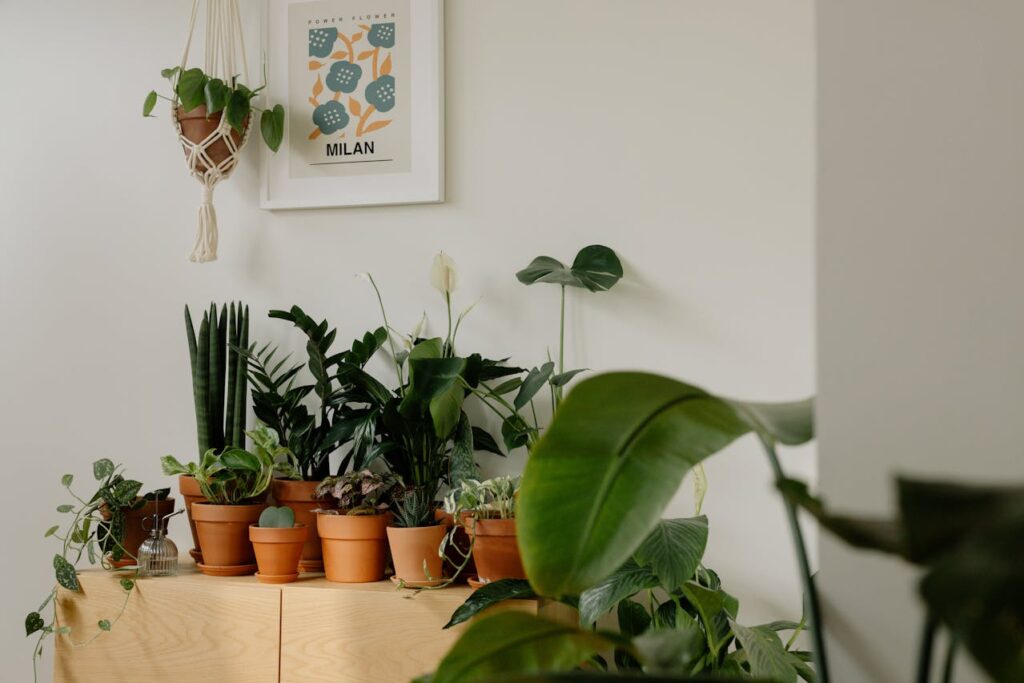
The COVID-19 pandemic accelerated a trend that was already growing: people wanting to reconnect with nature. But it’s not just about aesthetics or relaxation anymore — it’s about sustainability, food security, and mental well-being.
In dense cities, gardening isn’t about sprawling lawns; it’s about growing upwards, using kitchen shelves, window sills, or even walls. From community gardening initiatives to hydroponic setups in living rooms, the modern urbanite is redefining what it means to cultivate life in the city.
Key Benefits of Urban Gardening:
- Fresh, pesticide-free produce at your fingertips
- Reduces food miles and carbon footprint
- Offers stress relief and mental clarity
- Improves air quality and home aesthetics
- Empowers self-sufficiency
The Power of Microgreens in City Gardening
If there’s a poster child for urban farming, it’s microgreens — the tiny but mighty greens harvested just after germination.
Why Microgreens?
- Nutrient dense: Studies show microgreens contain 4 to 40 times more nutrients than mature greens.
- Fast growing: Ready to harvest in 7–14 days.
- Space-saving: Can grow in shallow trays, kitchen containers, or even reused takeaway boxes.
- Low-maintenance: Minimal soil, light, and effort needed.
Some popular microgreens to grow in your city gardening journey:
| Microgreen | Taste Profile | Days to Harvest |
|---|---|---|
| Radish | Spicy, peppery | 7-10 |
| Sunflower | Nutty, crunchy | 10-14 |
| Mustard | Hot, tangy | 6-10 |
| Broccoli | Mild, earthy | 7-12 |
| Basil | Sweet, herbal | 12-15 |
From Seed to Salad: The Seed Germination Journey
Understanding seed germination is essential for anyone stepping into urban gardening. It’s not just about placing seeds in soil — it’s about creating the right conditions for life to spark.
Factors for Successful Germination:
- Moisture: Seeds need to absorb water to activate enzymes.
- Warmth: Most seeds sprout best at 18–24°C.
- Oxygen: Adequate airflow prevents fungal growth.
- Light: Some seeds prefer darkness, others need light to start.
If you’re starting my garden project, begin with seeds that germinate quickly: lettuce, fenugreek (methi), mustard, or coriander.
Innovative City Gardening Ideas That Work
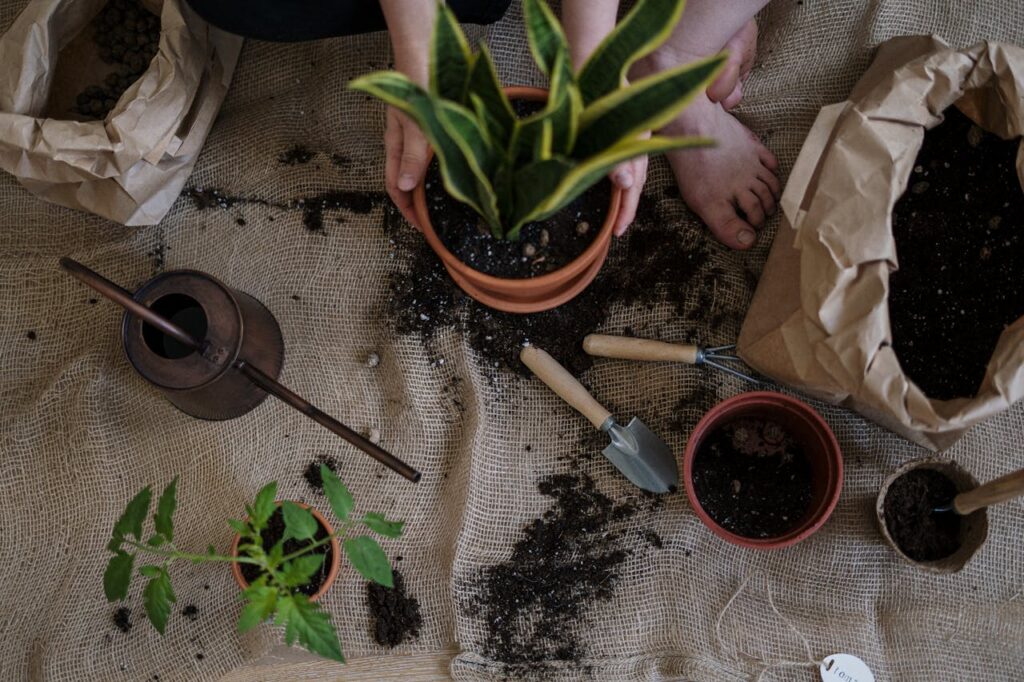
Modern urban gardening embraces innovation. Here are some methods to maximize yields in minimal spaces:
1. Vertical Gardens
Use walls, trellises, and hanging pockets to grow herbs and leafy greens. A great DIY option is repurposing shoe organizers or PVC pipes.
2. Hydroponics & Aquaponics
These soil-less methods are perfect for apartments. Using water and nutrients, plants grow in clean environments with faster yields. Check out KrishiJagran’s hydroponic guide for Indian city dwellers.
3. Balcony Gardening
Transform your balcony with stackable pots, railing planters, and a simple compost bin. Even gardening plants like tomatoes, chillies, and brinjals grow well here.
4. Terrace Gardens
If your building allows, set up a terrace farm with raised beds, drip irrigation, and even small fruit trees in grow bags.
Community Gardening: Growing Together
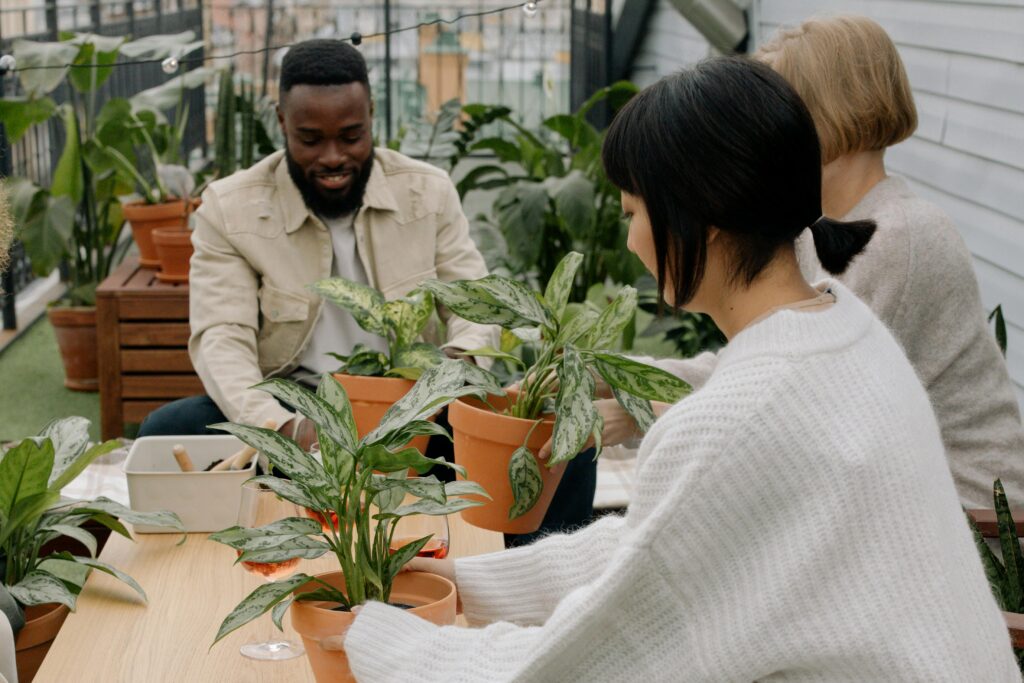
Urban loneliness is a real problem, but community gardening offers a beautiful solution. These shared spaces not only yield produce but cultivate friendships.
Perks of Community Gardening:
- Shared tools and responsibilities
- Collective learning and workshops
- Greener neighborhoods and improved mental health
- Fresh produce distribution among locals
Cities like Bangalore, Pune, and Delhi are seeing a surge in such initiatives. Platforms like My Dream Garden help connect people to local urban farming communities.
What I Learned From My Garden
Starting my garden was intimidating at first. I began with coriander in a reused milk pouch, and I killed more seeds than I care to admit. But soon, I understood seed germination better, experimented with light placements, and learned how overwatering is a real problem.
Today, my kitchen shelf grows:
- Mint in mason jars
- Basil in yogurt containers
- Microgreens in old baking trays
- A tomato plant hanging from a 2-liter bottle
It’s not perfect, but it’s real. And every sprout is a little reminder that I’m connected to something beyond WiFi and deadlines.
Challenges in Urban Farming & How to Overcome Them
| Challenge | Solution |
|---|---|
| Lack of space | Use vertical gardening or wall planters |
| Limited sunlight | Use LED grow lights or reflective surfaces |
| Pest issues | Neem spray, companion planting, or netting |
| Water shortage | Install drip systems or use greywater smartly |
| Soil contamination | Use grow bags or hydroponics to avoid ground soil |
Resources to Get You Started
- 🛒 Gardening Supplies: TrustBasket, Ugaoo
- 📖 Microgreen Starter Kits: Amazon India Microgreens
- 📺 YouTube Channels:
Final Thoughts: Start Small, Grow Big
You don’t need acres to be a farmer — just a little curiosity and a windowsill. Urban gardening is more than a trend; it’s a movement toward mindful, sustainable living. It teaches patience, nurtures responsibility, and fills your plate with health.
Whether you’re harvesting a tray of mustard microgreens or planning a community garden, you’re contributing to something bigger than yourself.
Stay Informed—Join Our Community
Subscribe to our newsletter for the latest on solar trends, smart energy tips, and home power solutions.
- Get monthly expert tips
- Be the first to know about new solar subsidies
- Read inspiring solar success stories from across India
Join thousands of solar-conscious readers—subscribe now!


https://shorturl.fm/VSbzf
https://shorturl.fm/LQwf2
https://shorturl.fm/wGwY2
https://shorturl.fm/PnqlW
https://shorturl.fm/VmOb2
https://shorturl.fm/pIaCH
https://shorturl.fm/JqB0z
https://shorturl.fm/0o7kd
f552hc
https://shorturl.fm/XnXqn
https://shorturl.fm/9QP1u
https://shorturl.fm/dAkSD
https://shorturl.fm/JC6MM
https://shorturl.fm/DrGgm
https://shorturl.fm/dA72y
https://shorturl.fm/Ih3m4
https://shorturl.fm/qQoTA
https://shorturl.fm/aMPVC
https://shorturl.fm/eMVRU
Special ability to earn $ASTER bonus https://is.gd/CGTnqR
Sign up and turn your connections into cash—join our affiliate program!
Monetize your audience—become an affiliate partner now!
Promote our brand and watch your income grow—join today!
7359betcom, solid betting platform. Good odds and easy to navigate. Place your bets at 7359betcom.
Yo, wwb777game, you’re my go-to spot for some quick spins and maybe a big win! Always a fun time checking out the slots. Check it out for yourself here: wwb777game
Alright, c18games, you have a great selection and I find what I am looking for straight away! Definitely worth a look! Worth a look if you’re into this stuff: c18games
Monetize your traffic instantly—enroll in our affiliate network!
Unlock exclusive rewards with every referral—enroll now!
Start sharing our link and start earning today!
Share our offers and watch your wallet grow—become an affiliate!
Boost your earnings effortlessly—become our affiliate!
Boost your earnings effortlessly—become our affiliate!
Start earning instantly—become our affiliate and earn on every sale!
Join our affiliate community and earn more—register now!
Share our offers and watch your wallet grow—become an affiliate!
Share your unique link and cash in—join now!
Join our affiliate community and start earning instantly!
Become our partner and turn referrals into revenue—join now!
Share our products, reap the rewards—apply to our affiliate program!
https://shorturl.fm/IIUgv
https://shorturl.fm/mfCra
https://shorturl.fm/GTVy7
https://shorturl.fm/bV5Vm
https://shorturl.fm/p5dRH
https://shorturl.fm/FXDjr
https://shorturl.fm/eo5Dr
https://shorturl.fm/ahey9
https://shorturl.fm/PQjM5
https://shorturl.fm/RBMDX
https://shorturl.fm/PhBVo