

Solar Energy: How Solar Energy is Powering the Future
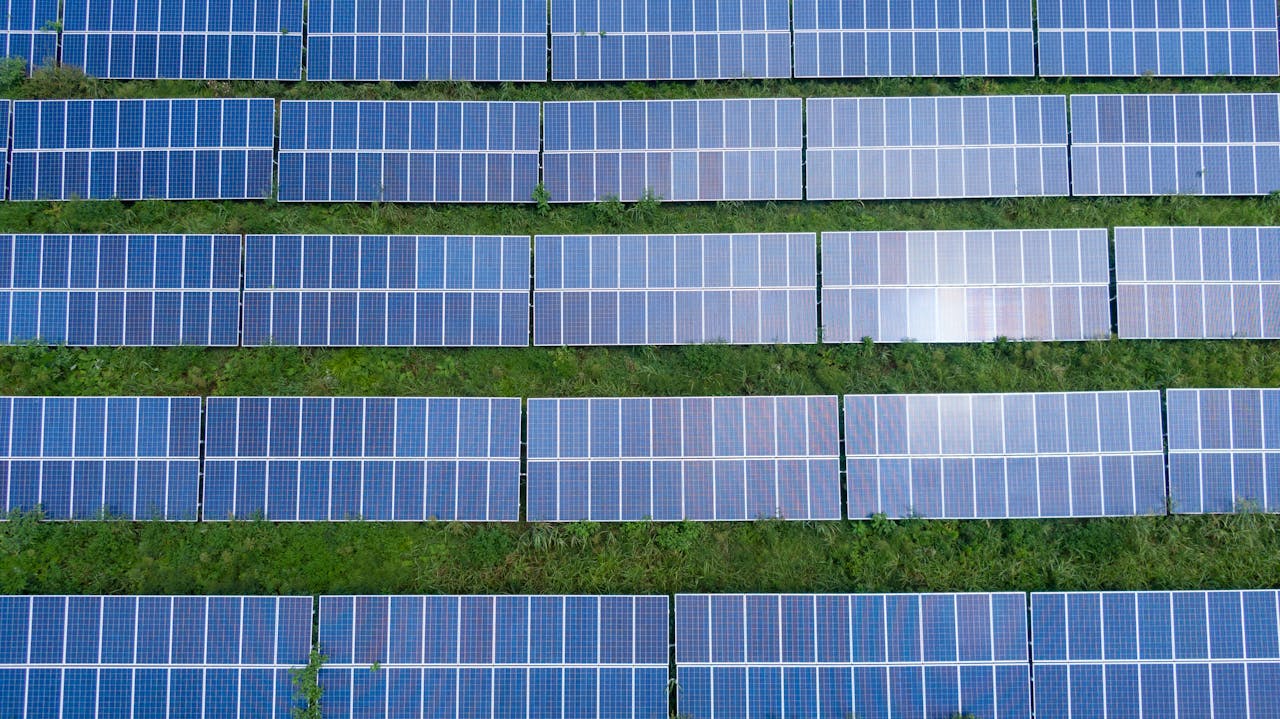
Imagine a world where your home runs on the sun. No loud generators. No high electricity bills. Just clean, renewable power from the sky. This isn't a dream anymore—solar energy is reshaping how we think about electricity, energy independence, and sustainability.
What is Solar Energy?
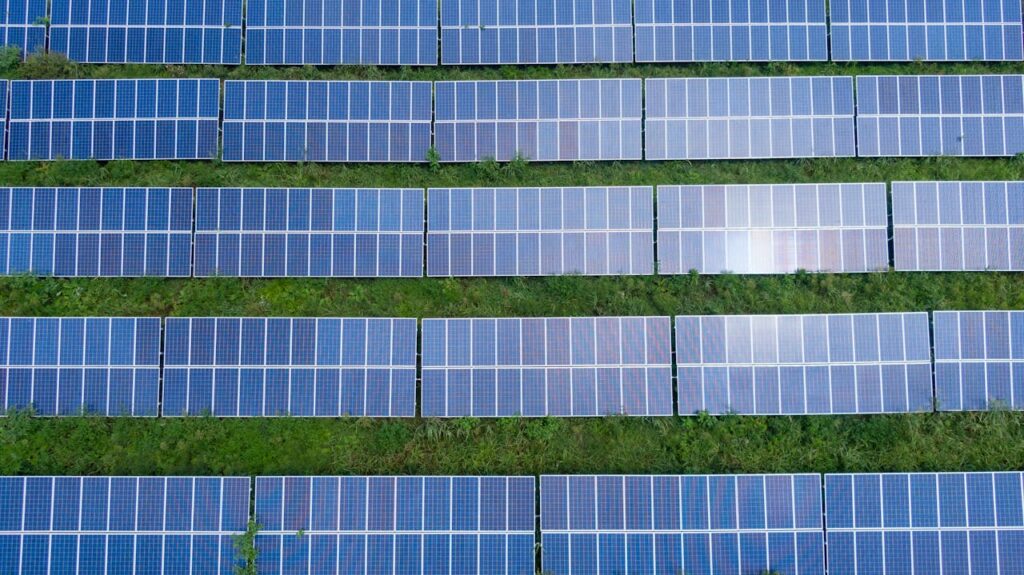
Solar energy refers to the power we harness from the sun. Through devices like solar panels and complete solar systems, we convert sunlight into solar power to energize homes, businesses, and even cars. Unlike fossil fuels, solar and energy solutions produce no emissions, are virtually limitless, and reduce reliance on non-renewable resources.
Why Now? The Growing Urgency for Solar Power
The Earth is heating up. Energy bills are rising. And fossil fuels are running out. Enter solar energy: an accessible, cost-effective, and scalable alternative. According to the International Energy Agency, solar is now the cheapest form of electricity in history.
Governments across the globe are pushing for more solar adoption. In India, the Pradhan Mantri Kisan Urja Suraksha evam Utthaan Mahabhiyan (PM-KUSUM) scheme is empowering farmers with solar pumps. In the U.S., tax credits make solar panels more affordable than ever.
How Do Solar Systems Work?
To understand how solar to power works, here's a simple breakdown:
Components of a Solar System:
- Solar Panels: Capture sunlight and convert it into direct current (DC) electricity.
- Inverter: Converts DC into alternating current (AC), which powers your home.
- Battery (optional): Stores excess energy for later use, especially helpful during blackouts.
- Net Meter: Tracks how much energy you use versus how much you send back to the grid.
This system enables your home to function seamlessly while reducing or even eliminating your electricity bills using solar energy.
Solar Panels vs. Traditional Energy: A Quick Comparison
| Feature | Solar Power | Traditional Power |
|---|---|---|
| Source | Renewable (Sunlight) | Non-renewable (Coal, Gas) |
| Emissions | Zero | High CO2 Emissions |
| Maintenance | Low | Moderate to High |
| Long-term Cost | Low | Increasing |
| Energy Independence | High | Low |
My Journey with Solar Energy
When I first looked into solar energy for my own home, I was skeptical. Would it work during monsoon season? Would installation tear up my roof? But after speaking with local solar providers and reading real-world reviews, I took the plunge.
Not only did my electricity bill drop by nearly 80%, but the sense of independence I felt was incredible. I also realized how little upkeep was required. Aside from occasional cleaning, my solar system ran like clockwork.
Pro Tip:
If you're in a region with frequent power cuts, investing in a battery-backed solar system ensures you're never left in the dark.
Common Misconceptions about Solar and Power
1. "Solar only works in sunny places."
Not true. Solar panels work even on cloudy days, albeit with reduced efficiency. Countries like Germany, with less sunlight than India, are leaders in solar adoption.
2. "Solar is too expensive."
Initial costs have plummeted. With government subsidies, tax credits, and EMI options, solar energy is now within reach for most homeowners.
3. "Maintenance is a hassle."
Solar panels are built to last. With no moving parts, they require minimal maintenance and often come with 25-year warranties.
The Bigger Picture: Environmental & Social Impact
Switching to solar energy isn't just good for your wallet; it's good for the planet. Each kilowatt-hour (kWh) of solar power reduces greenhouse gas emissions significantly. Imagine the impact if millions made the switch:
- Less air pollution
- Lower water usage (traditional power plants consume tons of water)
- Fewer health problems from pollution-related illnesses
Solar also creates jobs. The International Renewable Energy Agency reports that the solar industry employed over 4 million people globally in 2022—a number that's growing.
Tips for Getting Started with Solar to Power Your Home
- Evaluate Your Energy Needs: Look at your average monthly usage.
- Site Assessment: Ensure your roof gets enough sunlight.
- Choose a Trusted Installer: Look for certifications, warranties, and user reviews.
- Understand Incentives: Check what subsidies or tax credits you're eligible for.
- Opt for Quality: Higher efficiency solar panels might cost more upfront but offer better long-term returns.
Future Trends in Solar and Energy
1. Solar Roof Tiles
Companies like Tesla are making solar tiles that blend seamlessly with your roof.
2. Community Solar Projects
Shared solar farms allow multiple users to benefit, making solar accessible even for apartment dwellers.
3. AI-Driven Optimization
Smart solar inverters and apps are now optimizing energy usage based on weather and consumption patterns.
4. Storage Solutions
Advanced batteries are getting cheaper and more efficient, solving the issue of nighttime power usage.
Conclusion: The Power is in Your Hands
Adopting solar energy isn't just a tech upgrade—it's a lifestyle shift. It's about taking control of your power consumption, your bills, and your impact on the planet.
Power on solar is no longer a futuristic concept. It’s happening now, and you can be a part of this movement. Whether you're a homeowner, business owner, or just someone curious about renewable energy, there's never been a better time to embrace the sun.
Ready to Go Solar?
Leave a comment below or explore our resources to learn more. Subscribe to our newsletter for solar tips, deals, and success stories. The future of solar and power is bright—don’t get left in the dark.
Stay Informed—Join Our Community
Subscribe to our newsletter for the latest on solar trends, smart energy tips, and home power solutions.
- Get monthly expert tips
- Be the first to know about new solar subsidies
- Read inspiring solar success stories from across India
Join thousands of solar-conscious readers—subscribe now!

lglz7s
https://shorturl.fm/GlRgt
https://shorturl.fm/8oEuD
https://shorturl.fm/pTc9G
https://shorturl.fm/ZQzDd
https://shorturl.fm/7XAEB
https://shorturl.fm/bHyDm
https://shorturl.fm/e6oHF
https://shorturl.fm/GEgGN
https://shorturl.fm/mTuzr
https://shorturl.fm/aMlxC
https://shorturl.fm/jQP61
https://shorturl.fm/yRbbh
https://shorturl.fm/qCLWW
https://shorturl.fm/BHzqw
https://shorturl.fm/UwCia
https://shorturl.fm/3o3LQ
https://shorturl.fm/8FCFd
https://shorturl.fm/V2E2J
https://shorturl.fm/uKN45
https://shorturl.fm/RWylQ
https://shorturl.fm/bEI7R
https://shorturl.fm/P53Mk
https://shorturl.fm/VdIVm
https://shorturl.fm/gBj3c
https://shorturl.fm/cbi7s
https://shorturl.fm/9KXyC
https://shorturl.fm/6LmbW
https://shorturl.fm/Clm5i
https://shorturl.fm/Iu7FC
https://shorturl.fm/vUpSQ
https://shorturl.fm/NdR2I
Enter your invite code to earn your airdrop on Aster https://is.gd/ZceEI6
Fast indexing of website pages and backlinks on Google https://is.gd/r7kPlC
Okay, nuw88… Bonuses are decent, nothing crazy. Good for beginners because of their newbie promos.. Here take a look: nuw88
Bonobetobet… sounds interesting. Anyone ever bet there before? What’s the scene like? Gotta check out the odds and see if they’re worth a shot. Lads let’s throw a bet at bonobetobet!
KK99game just signed up. Fingers crossed it has some hidden gems. The interface is looking stylish so far. Let’s try for lucky nines on kk99game!